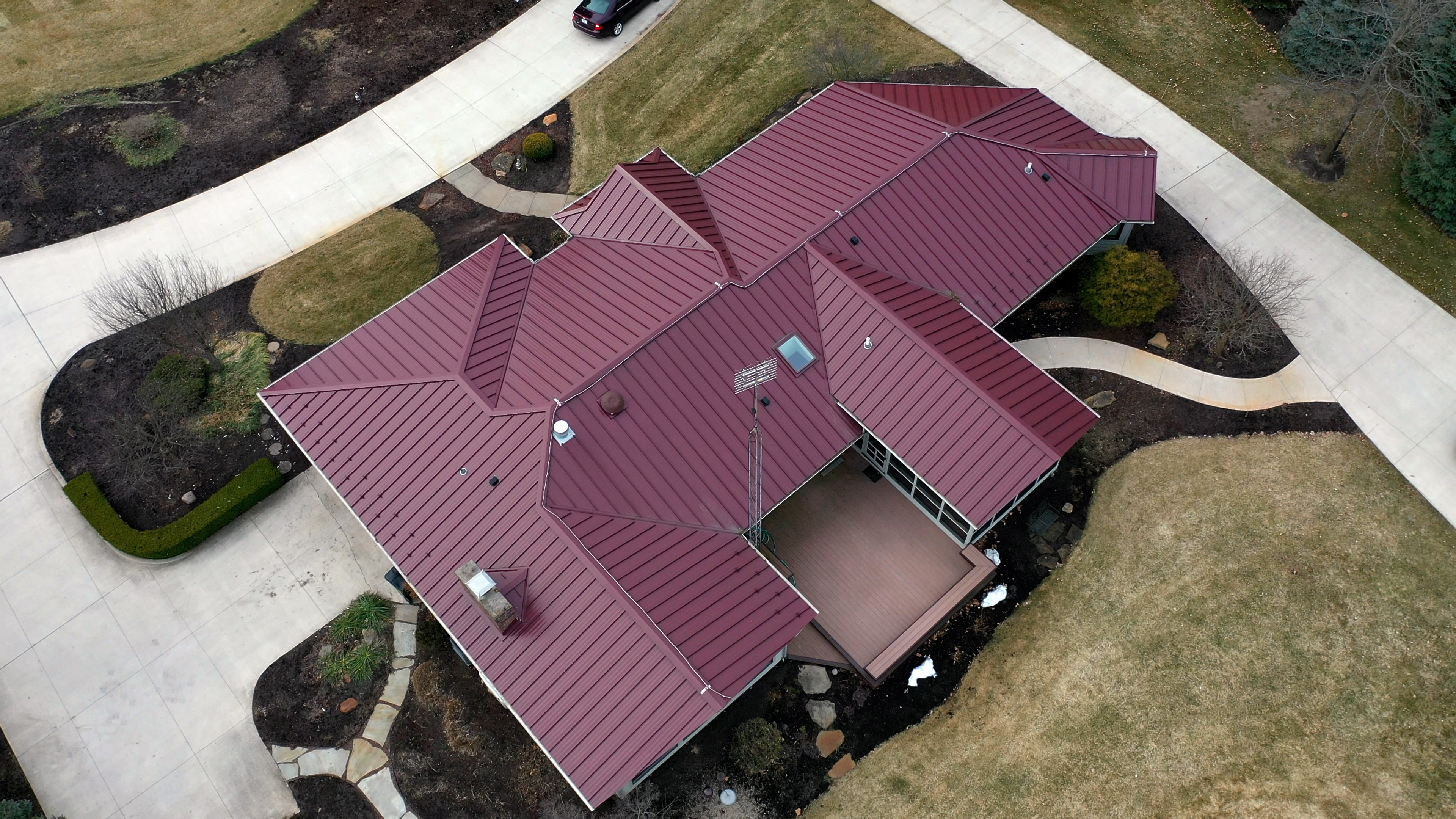
Gutters With Metal Roofs
Gutters work with a metal roof to manage runoff, and a Smokey Row homeowner benefits from understanding how. Here is what to know.
Collecting Runoff
Gutters collect the water that runs off the roof and channel it to downspouts that carry it away from the foundation, protecting the home from concentrated runoff. This is the gutters' core role with any roof, including metal. Gutters collect the water. They channel runoff. They direct it to downspouts. They carry water away.
Protecting the Foundation
By carrying water away, gutters protect the foundation and the area around the home from the water that would otherwise pour off the roof edge and pool, which can cause problems over time. Directing runoff away safeguards the foundation. Protecting the foundation is a key benefit. It keeps water away from it. It prevents pooling. It guards the home's base.
The Snow-Shedding Consideration
One consideration with metal roofs is that they shed snow and water readily, so in snowy climates, sliding snow can affect gutters, which the setup should account for, sometimes with snow guards to manage the shedding. This is a metal-specific point for gutters. Snow shedding is a consideration. It can affect gutters. Snow guards can help. It should be planned for.
Proper Gutter Setup
A proper gutter setup for a metal roof is sized and installed to handle the runoff and account for the roof's shedding, working with the drip edge to manage edge water. A well-designed gutter system suits the roof. Proper setup matters. It should fit the roof. It accounts for shedding. It handles the runoff.
Maintaining Gutters
Keeping gutters clear of debris so they flow freely is part of caring for the roof and home, since clogged gutters can cause water to back up or overflow. Gutter maintenance supports edge water management. Clear gutters flow well. They need periodic cleaning. It is part of upkeep. It keeps water moving.
Gutters, in Short
Gutters collect roof runoff and channel it away from the foundation, protecting the home, with a metal-specific consideration being that metal sheds snow readily, which the gutter setup should account for. A proper setup works with the drip edge and needs periodic clearing.
It also helps Smokey Row homeowners to understand that the edge of a metal roof is one of the spots where the skill and care of the contractor genuinely show, because it involves coordinating several elements correctly and attending to details that are easy to do poorly. Getting the edge right starts with proper drip edge, installed correctly along the eaves and rakes so it directs water off the roof and away from the fascia, which is a standard part of any quality roof installation and should be included as a matter of course. It continues with a suitable gutter setup, one that is sized and installed to handle the volume of runoff the roof produces and that accounts for the roof's readiness to shed snow and water, working together with the drip edge so that runoff is guided into the gutters and carried away from the foundation. And it depends on careful detailing at the edge, sealing and securing the drip edge, panel edges, and trim correctly, and importantly accommodating the expansion and contraction that metal undergoes with temperature changes, so that the edge stays both watertight and sound as the metal moves. Quality materials for these edge components support a durable edge that lasts, but the workmanship matters at least as much, because the edge is precisely the kind of detail where cutting corners leads to problems down the line, water working back against the fascia, runoff pooling where it should not, or seals failing. For all these reasons, the edge is a good area for a homeowner to ask a prospective contractor about, since how a contractor approaches the drip edge, gutters, and edge detailing is a useful indicator of whether they build metal roofs to a high standard throughout.
One point worth making clear for Smokey Row homeowners is that the edge of a roof, though it is easy to overlook, is genuinely important, because it is the point where all the water that has run down the roof finally leaves it, and managing that water properly at the edge is what protects the home's fascia, walls, and foundation. Think of it this way, the broad expanse of the roof does the job of shedding water down toward the edge, but at the edge that water becomes concentrated, and if it is not directed away cleanly it can run back against the fascia board, pour off in uncontrolled sheets, or pool around the foundation, any of which can cause damage over time. A few elements work together to manage this. The first is drip edge, a piece of metal installed along the roof's edges at the eaves and often the rakes, whose job is to direct the runoff off the edge cleanly, guiding it into the gutter or off the edge rather than letting it run back against the fascia, which protects that edge board from water damage. The second is the gutter system, which collects the runoff and channels it through downspouts to carry it away from the foundation. And the third is the careful detailing that seals and secures the edge components and, on a metal roof specifically, accounts for the expansion and contraction of the metal. There is also a consideration particular to metal roofs, which is that because metal sheds snow and water so readily, in snowy climates the sliding snow can affect gutters, so the gutter setup should account for this, sometimes with snow guards to manage the shedding. Proper edge water management is one of the marks of a quality installation.
It also helps Smokey Row homeowners to understand that the edge of a metal roof is one of the spots where the skill and care of the contractor genuinely show, because it involves coordinating several elements correctly and attending to details that are easy to do poorly. Getting the edge right starts with proper drip edge, installed correctly along the eaves and rakes so it directs water off the roof and away from the fascia, which is a standard part of any quality roof installation and should be included as a matter of course. It continues with a suitable gutter setup, one that is sized and installed to handle the volume of runoff the roof produces and that accounts for the roof's readiness to shed snow and water, working together with the drip edge so that runoff is guided into the gutters and carried away from the foundation. And it depends on careful detailing at the edge, sealing and securing the drip edge, panel edges, and trim correctly, and importantly accommodating the expansion and contraction that metal undergoes with temperature changes, so that the edge stays both watertight and sound as the metal moves. Quality materials for these edge components support a durable edge that lasts, but the workmanship matters at least as much, because the edge is precisely the kind of detail where cutting corners leads to problems down the line, water working back against the fascia, runoff pooling where it should not, or seals failing. For all these reasons, the edge is a good area for a homeowner to ask a prospective contractor about, since how a contractor approaches the drip edge, gutters, and edge detailing is a useful indicator of whether they build metal roofs to a high standard throughout.
Get Gutters That Work With Your Roof
Smokey Row Metal Roofing installs metal roofing and addresses gutters and edge water across Smokey Row and Hamilton. Call (765) 676-3491 for a free consultation on a metal roof with a gutter setup suited to it.